


Can PVC wire be used in telecommunications equipment? That's a question I often get asked as a PVC wire supplier. In this blog, I'll share my insights on this topic, based on my years of experience in the industry.
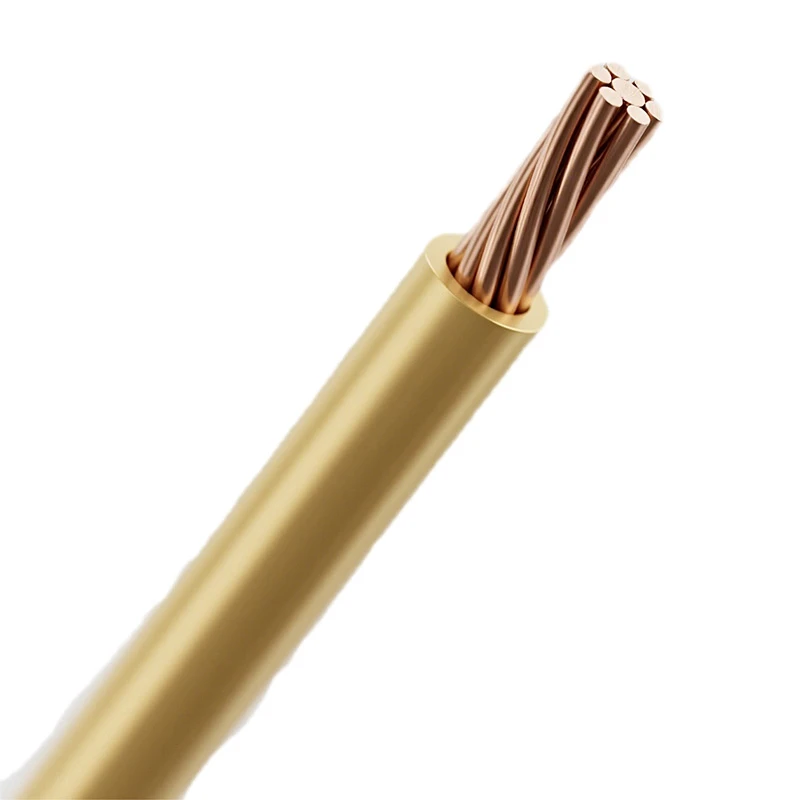
First off, let's talk about what PVC wire is. PVC, or polyvinyl chloride, is a type of plastic that's commonly used as an insulation material for electrical wires. PVC wire is known for its flexibility, durability, and resistance to moisture, chemicals, and abrasion. These properties make it a popular choice for a wide range of applications, from household wiring to industrial machinery.
Now, when it comes to telecommunications equipment, the requirements are a bit more specific. Telecommunications systems rely on the reliable transmission of signals, which means that the wires used in these systems need to have excellent electrical properties, such as low capacitance, low attenuation, and high impedance. Additionally, they need to be able to withstand the harsh environmental conditions that are often found in telecommunications installations, such as high temperatures, humidity, and exposure to dust and dirt.
So, can PVC wire meet these requirements? The answer is yes, but it depends on the specific type of PVC wire and the application. There are several types of PVC wire that are suitable for telecommunications equipment, each with its own unique properties and characteristics.
One of the most common types of PVC wire used in telecommunications is UL1015 Wire. This wire is designed for general-purpose applications and is available in a variety of sizes and colors. It has a voltage rating of up to 600 volts and is suitable for use in both indoor and outdoor installations. UL1015 Wire is known for its excellent electrical properties, including low capacitance and high impedance, which make it ideal for transmitting signals over long distances. You can learn more about UL1015 Wire here.
Another type of PVC wire that's commonly used in telecommunications is UL1007 Wire. This wire is similar to UL1015 Wire, but it has a thinner insulation layer and a smaller diameter. It's typically used for low-voltage applications, such as in telecommunications devices and equipment. UL1007 Wire is also known for its excellent electrical properties and is available in a variety of colors to make it easy to identify. You can find more information about UL1007 Wire here.
In addition to UL1015 and UL1007 Wire, there's also UL1569, which is a type of PVC wire that's specifically designed for use in telecommunications and data transmission applications. This wire has a higher temperature rating and better electrical properties than other types of PVC wire, making it suitable for use in high-speed data transmission systems. UL1569 is also resistant to flame and smoke, which is an important consideration in telecommunications installations where fire safety is a concern. You can check out UL1569 here.
When choosing PVC wire for telecommunications equipment, it's important to consider several factors. First, you need to make sure that the wire meets the specific requirements of your application, such as the voltage rating, temperature rating, and electrical properties. You also need to consider the environmental conditions in which the wire will be used, such as the temperature, humidity, and exposure to chemicals and abrasion.
Another important factor to consider is the quality of the wire. Not all PVC wires are created equal, and it's important to choose a wire that's made from high-quality materials and manufactured to strict standards. This will ensure that the wire performs reliably and lasts for a long time.
As a PVC wire supplier, I've seen firsthand the benefits of using high-quality PVC wire in telecommunications equipment. Not only does it provide reliable signal transmission, but it also helps to reduce the risk of electrical problems and failures. By choosing the right type of PVC wire for your application, you can ensure that your telecommunications system operates smoothly and efficiently.
If you're in the market for PVC wire for your telecommunications equipment, I'd be happy to help. I can provide you with detailed information about the different types of PVC wire available, as well as help you choose the right wire for your specific needs. Whether you're looking for UL1015 Wire, UL1007 Wire, or UL1569, I can offer you high-quality products at competitive prices.
Don't hesitate to reach out if you have any questions or if you're ready to start a procurement discussion. I'm here to assist you every step of the way to ensure that you get the best PVC wire for your telecommunications equipment.
References

- General knowledge of PVC wire and telecommunications industry standards.
- Product specifications and technical data from PVC wire manufacturers.



