


Hey there! I'm a supplier for UL3173, and I often get asked about exemptions in UL3173. So, let's dive right into it and see if there are any exemptions and what they might mean for us in the industry.
First off, for those who might not be super familiar, UL3173 is a pretty important standard. You can check out more details about it UL3173. It sets the rules and requirements for a specific type of product, making sure it meets certain safety and performance standards.
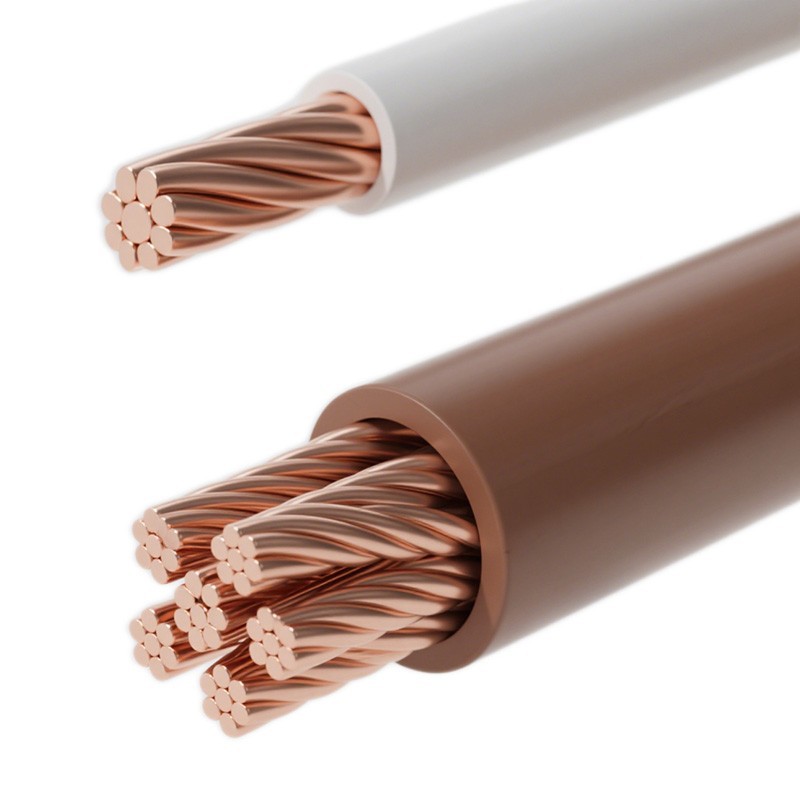

Now, when it comes to exemptions, it's not as straightforward as a yes or no answer. In many standards, there are sometimes situations where certain products or applications might be exempt from some of the requirements. But with UL3173, it's a bit of a mixed bag.
One thing to understand is that the whole point of UL3173 is to ensure that products are safe and reliable. The Underwriters Laboratories (UL) came up with this standard after a whole lot of research and testing. They want to make sure that any product bearing the UL3173 mark can be trusted by consumers and businesses alike.
In some cases, there could be exemptions based on the nature of the product. For example, if a product has a very unique design or use case that makes some of the UL3173 requirements not applicable, there might be a possibility of getting an exemption. But this isn't something that happens easily. You've got to prove to UL that your product is still safe and effective even without meeting those specific requirements.
Let's say you're making a product that uses a new and innovative technology. This technology might make some of the traditional UL3173 requirements irrelevant. In such a situation, you'd need to do a bunch of testing on your own to show that your product is just as safe, if not safer, than products that fully comply with UL3173. You'd also have to submit detailed reports to UL, explaining your technology and why the exemption is justified.
Another aspect to consider is the scope of UL3173. It covers a specific range of products and applications. If your product falls outside of this scope, then it might not need to comply with UL3173 at all. But be careful here, because it's not always obvious whether your product is within the scope or not. You might need to consult with UL or an expert in the field to figure it out.
For instance, UL3321 and UL3266 are other related standards. If your product is more closely related to what's covered in UL3321 or UL3266, then you'd need to focus on complying with those standards instead.
As a UL3173 supplier, I've seen a lot of companies struggle with these exemption issues. Some try to cut corners and claim exemptions without proper justification. This is a big no - no. UL takes compliance very seriously, and if they find out that a company is falsely claiming an exemption, there can be some pretty serious consequences.
On the other hand, there are also companies that are overly cautious and assume that they need to comply with every single requirement of UL3173, even when an exemption might be possible. This can lead to unnecessary costs and delays in getting their products to the market.
So, how do you go about finding out if there are any exemptions for your product? Well, the first step is to thoroughly read the UL3173 standard. It's not the most exciting read, but it's crucial. Look for any sections that mention exemptions or special cases. You can also reach out to UL directly. They have a customer service team that can answer your questions and guide you through the process.
If you think your product might qualify for an exemption, start documenting everything. Keep records of your product's design, testing results, and any other relevant information. This will be very helpful when you submit your request for an exemption to UL.
It's also a good idea to work with a third - party testing laboratory. These labs have a lot of experience with UL standards and can help you determine if your product meets the requirements or if an exemption is possible. They can also assist you in conducting the necessary tests and preparing the reports for UL.
As a supplier, I always tell my customers to be proactive when it comes to UL3173 compliance. Don't wait until the last minute to start thinking about exemptions or compliance. The earlier you start, the better chance you have of getting everything sorted out smoothly.
If you're in the market for UL3173 - compliant products, or if you're a manufacturer looking for advice on UL3173 compliance and exemptions, I'd love to have a chat. I've got a lot of experience in this field and can offer you some valuable insights. Whether you're just starting out or you're an established player in the industry, I'm here to help you navigate the world of UL3173.
In conclusion, while there might be exemptions in UL3173, they're not easy to come by. You've got to do your homework, prove your case, and work closely with UL. But if you do it right, it can save you time and money in the long run. So, don't be afraid to explore the possibility of exemptions, but always make sure you're doing it in a responsible and compliant way.
If you're interested in learning more about UL3173 products or have questions about compliance and exemptions, feel free to reach out. Let's start a conversation and see how we can work together to get your products to the market safely and efficiently.
References
- Underwriters Laboratories. UL3173 Standard Document.
- Industry reports on UL standards compliance and exemptions.



