
As a supplier of French car wires, I often encounter various questions from customers, and one of the most frequently asked is whether French car wires are resistant to corrosion. In this blog post, I'll delve into this topic, exploring the factors that influence corrosion resistance, the design and manufacturing processes of French car wires, and real - world performance.
Understanding Corrosion in Automotive Wires
Corrosion is a natural process that occurs when metals react with their environment. In the context of automotive wires, corrosion can be caused by several factors. Moisture is one of the primary culprits. When water comes into contact with the metal conductors in the wires, it can initiate a chemical reaction, especially if there are dissolved salts or other contaminants in the water. For example, road salt used in winter to melt ice can be splashed onto the wires, accelerating the corrosion process.


Another factor is oxidation. Oxygen in the air can react with the metal surface, forming metal oxides. This is particularly true for copper, a common material used in automotive wiring. Over time, the oxide layer can increase the resistance of the wire, leading to reduced electrical conductivity and potentially causing malfunctions in the vehicle's electrical system.
Design and Manufacturing of French Car Wires
French car wire manufacturers pay close attention to corrosion resistance during the design and manufacturing processes.
Material Selection
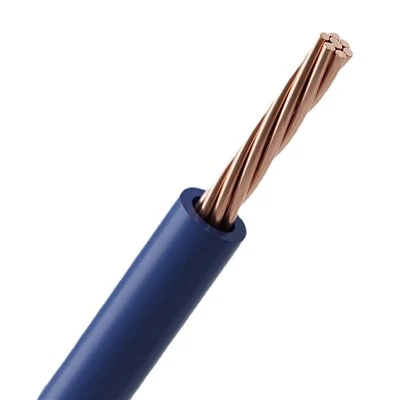
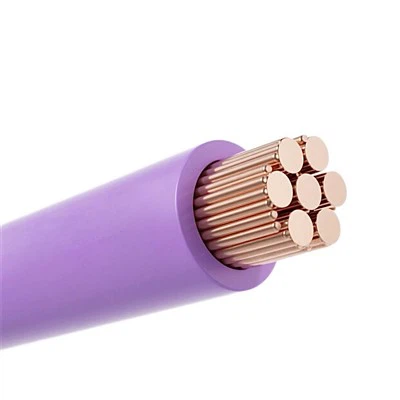
The choice of materials is crucial. Most French car wires use high - quality copper conductors. Copper is an excellent conductor of electricity, but it is also prone to oxidation. To combat this, manufacturers often use tinned copper. The thin layer of tin on the copper surface acts as a barrier, preventing oxygen and moisture from reaching the copper. This significantly slows down the oxidation process and enhances the wire's resistance to corrosion.
Insulation Materials
The insulation around the wire also plays a vital role. High - quality insulation materials are used to protect the conductors from the external environment. These materials are designed to be waterproof, resistant to chemicals, and durable. For instance, some French car wires use cross - linked polyethylene (XLPE) insulation. XLPE has excellent mechanical and chemical properties, providing a reliable barrier against moisture, oil, and other contaminants that could cause corrosion.
Manufacturing Standards
French car wire manufacturers adhere to strict manufacturing standards. These standards ensure that the wires are produced with precision and consistency. For example, the wire drawing process is carefully controlled to ensure a uniform diameter of the conductors, which helps in maintaining consistent electrical performance. Additionally, the insulation extrusion process is optimized to provide a tight and uniform layer of insulation around the conductors, further protecting them from corrosion - causing agents.
Types of French Car Wires and Their Corrosion Resistance
There are several types of French car wires available, each with its own characteristics and level of corrosion resistance.
T2 Thin - Walled Low - Voltage Automotive Wire
T2 thin - walled low - voltage automotive wires are designed for applications where space is limited. Despite their thin walls, they offer good corrosion resistance. The tinned copper conductors are well - protected by a high - quality insulation material. This wire is commonly used in areas of the vehicle where it may be exposed to some moisture, such as under the dashboard or in the door panels.
T4 Thin - Walled Low - Voltage Automotive Wire
T4 wires are similar to T2 wires but may have some additional features for enhanced performance. They are also made with tinned copper conductors and a durable insulation layer. T4 wires are often used in more demanding applications where there is a higher risk of exposure to corrosive substances, such as near the engine or in the wheel wells.
T3 Thin - Walled Low - Voltage Automotive Wire
T3 wires are designed to strike a balance between flexibility and corrosion resistance. They are suitable for applications where the wire needs to be bent and routed through tight spaces. The insulation on T3 wires is engineered to resist abrasion as well as corrosion, making them a reliable choice for automotive electrical systems.
Real - World Performance
In real - world scenarios, French car wires have shown good resistance to corrosion. Many French car models have a long service life, and their electrical systems remain reliable even in harsh environments. For example, in regions with high humidity or heavy snowfall where the use of road salt is common, French cars equipped with these wires have been able to maintain proper electrical functionality over time.
However, it's important to note that no wire is completely immune to corrosion. The performance of the wires can be affected by factors such as the quality of installation, maintenance, and the severity of the environment. If the wires are installed incorrectly, for example, if the insulation is damaged during installation, the conductors may be exposed to moisture and other contaminants, increasing the risk of corrosion.
Maintenance and Care
To ensure the long - term corrosion resistance of French car wires, proper maintenance is essential. Regular inspections of the wiring system can help detect any signs of damage or corrosion early. If any damaged wires are found, they should be replaced immediately. Additionally, keeping the vehicle clean, especially in areas where the wires are located, can help prevent the accumulation of dirt, salt, and other corrosive substances.
Conclusion and Call to Action
In conclusion, French car wires are generally resistant to corrosion due to the careful selection of materials, advanced manufacturing processes, and strict quality control. The different types of wires, such as T2 Thin - Walled Low - Voltage Automotive Wire, T4 Thin - Walled Low - Voltage Automotive Wire, and T3 Thin - Walled Low - Voltage Automotive Wire, offer a range of options to meet the specific needs of automotive applications.
If you are in the market for high - quality, corrosion - resistant French car wires, we are here to help. Our extensive range of products is designed to provide reliable performance in various automotive environments. Whether you are an automotive manufacturer, a repair shop, or an individual enthusiast, we can offer you the right solution. Contact us today to start a procurement discussion and find out how our French car wires can meet your requirements.
References
- Automotive Wiring Handbook: A comprehensive guide to automotive wiring systems, including information on corrosion prevention.
- Technical reports from French car wire manufacturers on the design and performance of their products.
- Industry research on the long - term performance of automotive wires in different environments.